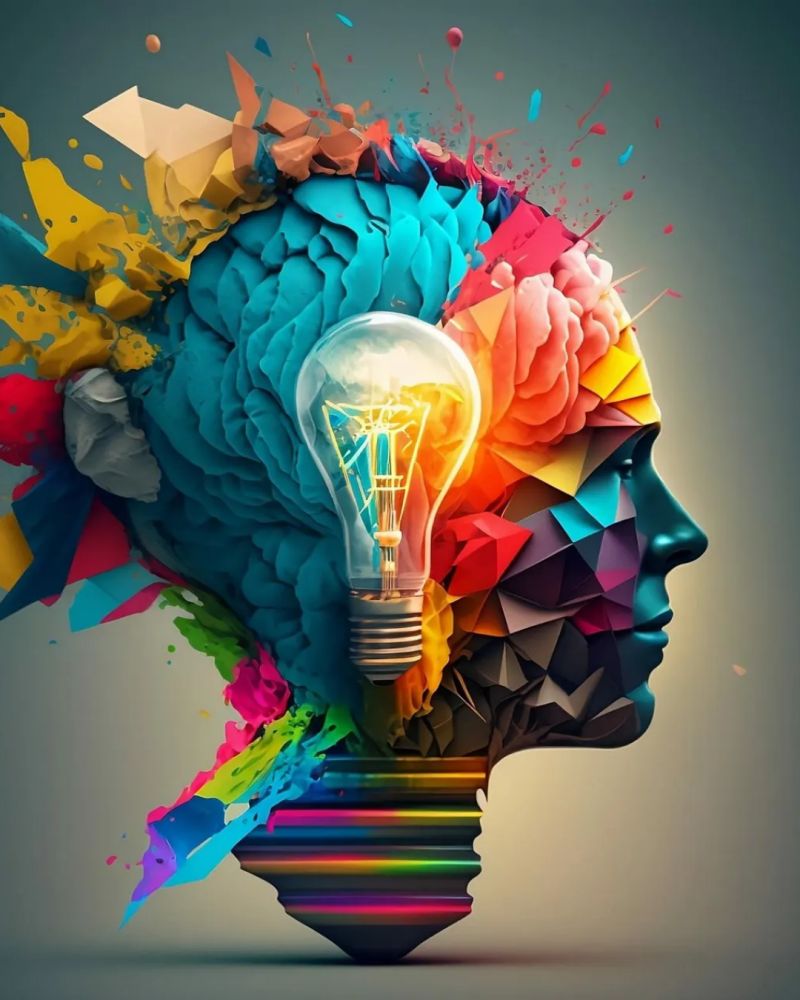
AI makes you more creative.
Until you stop.
Researchers analysed 419,000 academic papers published before and after ChatGPT launched. Writers using AI produced more work, in higher-ranked journals.
Then they removed the AI.
Creativity didn’t return to baseline. It dropped below it. The researchers call it a “creativity scar.” Not rusty. Worse.
A separate experiment told the same story. AI-assisted writers produced work readers enjoyed more, but the ideas converged. Even after the AI was taken away.
But it depends how you use it.
Used as a vending machine, AI creates a kind of cognitive muscle atrophy. You press the button, take what comes out, move on. The muscle you’re not using quietly wastes.
Used as human augmentation, it can lead to muscle growth. Improvements in your own thinking that you notice even when the AI is removed.
Same tool. Two completely different outcomes.
The research caught the vending-machine users. It hasn’t yet measured what happens when you fight the machine instead of following it.
If you want the sparring partner instead of the vending machine:
→ Write your first draft yourself. Then use AI to stress-test it → Ask it to argue against your idea before you ask it to build on it → When it offers a phrase, ask: would I have written that? If not, edit or delete it
The tool gets smarter every quarter. The question is whether you do too.
♻️ Repost if you’ve felt the pull toward the vending machine. 🔔 Follow Felix Ghauri for future signals, not noise: AI and what changes next.